 Schedule a Sick Pet Visit
 Call Vetifaction
 Schedule a Sick Pet Visit
Appetite & Digestion
Not eating normally, vomiting, diarrhea, stool changes, or digestive discomfort.

Sick Pet & Medical Care
You may not know exactly what is wrong — you may simply know that something has changed.
Vetifaction provides in-home veterinary assessment for dogs and cats experiencing new or worsening medical concerns, helping you understand what deserves attention and what should happen next.
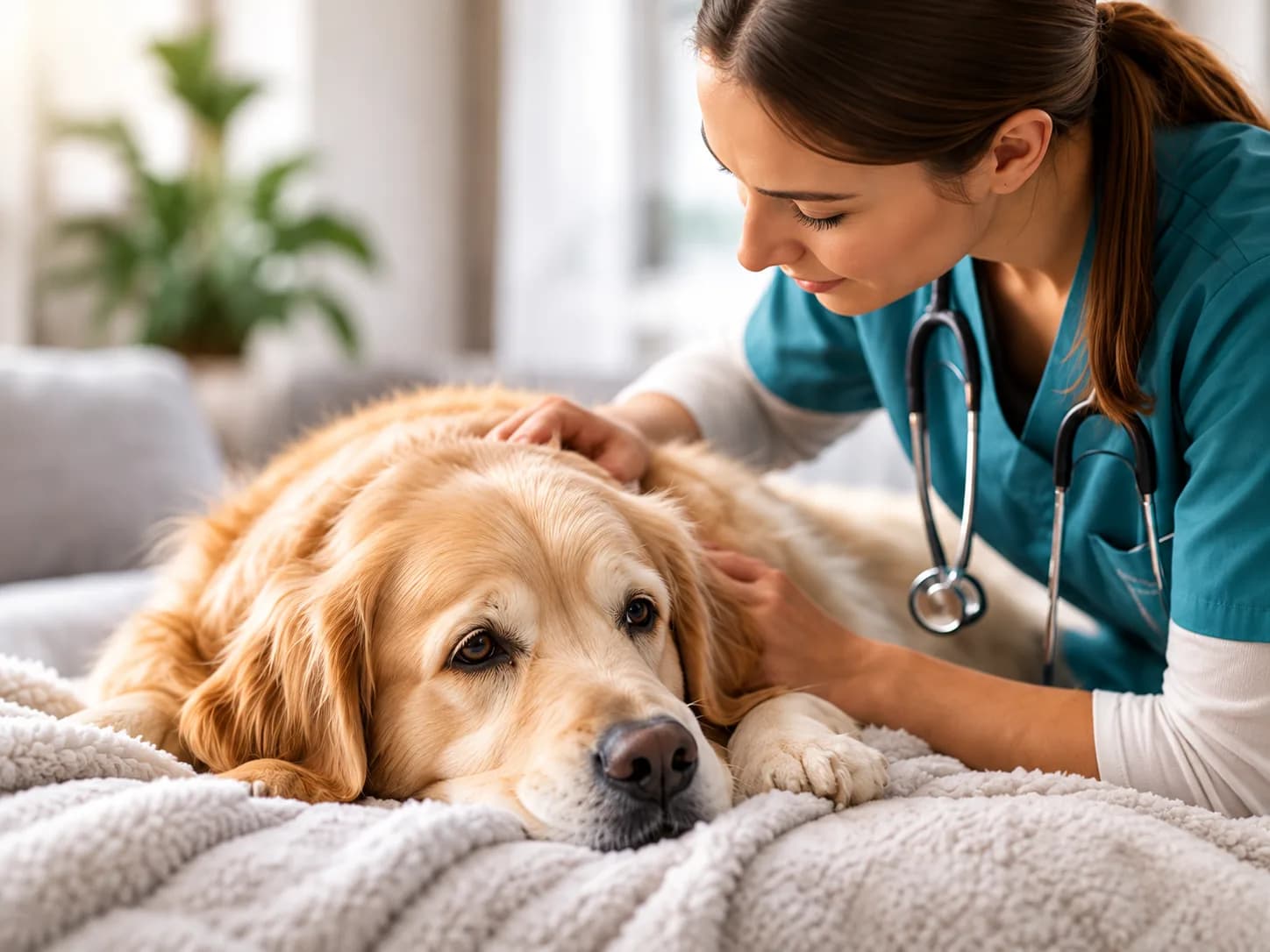
 In-home veterinary care for sick dogs and cats throughout Greater Houston.

You Know Your Pet's Normal
A sick-pet visit may be appropriate when a new symptom appears, an existing problem becomes worse, or your pet simply seems different from usual.
Not eating normally, vomiting, diarrhea, stool changes, or digestive discomfort.

Lethargy, hiding, restlessness, sleeping differently, or simply acting unlike themselves.

Drinking more or less, urinating more frequently, accidents, straining, or changes in urinary habits.

Itching, redness, odor, discharge, scratching, excessive licking, or skin irritation.

Limping, stiffness, difficulty getting up, reduced activity, or signs of pain.
Coughing, sneezing, eye changes, new lumps, mild respiratory symptoms, or another new concern.

You do not need to know the diagnosis before asking for help.
Start With What You Notice
Vomiting does not always mean the same thing. Neither does tiredness, coughing, refusing food, drinking more water, or slowing down.
That is why the first step is not trying to diagnose the problem yourself.

What changed?
When did it start?
What is different from normal?
Is it improving, staying the same, or getting worse?
The veterinarian can then combine what you have noticed with the examination and decide whether treatment, monitoring, diagnostics, or a different level of care is appropriate.

Your job is to notice the change. Our job is to help make sense of it.
What Happens During a Sick-Pet Visit?
We follow a simple and thoughtful process to understand what is happening and create a plan that fits your pet's needs.

What changed?
We start with your observations, medical history, medications, previous conditions, and when the current problem began.

What is your pet telling us now?
Your veterinarian evaluates your pet in the context of the symptoms and history. The examination helps determine which findings are most important and whether anything suggests that home care may not be enough.

The next step depends on what we find.
 Listen
 Examine
 Decide
When We Need More Information
Not every sick pet needs laboratory testing. When additional information could change the care plan, appropriate diagnostics may be recommended.
Can help investigate organ function, infection, inflammation, and other internal changes.

Can help evaluate urinary tract health, kidney function, and metabolic conditions.

Can help identify intestinal parasites or other gastrointestinal concerns.

May include cytology, culture, or other testing for recurring skin or ear problems.

X-rays or ultrasound may be recommended in selected cases when appropriate.

Additional tests may be recommended based on your pet’s symptoms and medical history.
The examination helps determine which tests, if any, are likely to add useful information for your pet's next step.
Answers When You're Not Sure What to Do
When something changes, it is normal to have questions. These answers can help you understand when an in-home sick-pet visit may be appropriate and what the next step can look like.
A sick pet visit is a veterinary evaluation for a new or ongoing medical concern such as vomiting, diarrhea, appetite changes, lethargy, urinary problems, skin or ear concerns, pain, or another change from normal.
You know your pet's routines. When something changes, Vetifaction can help you understand what deserves attention and what the next step may be — without an unnecessary clinic trip when in-home care is appropriate.
Thoughtful assessment. Clear guidance. Veterinary care at home.
Care. Comfort. Compassion. Unleashed.